
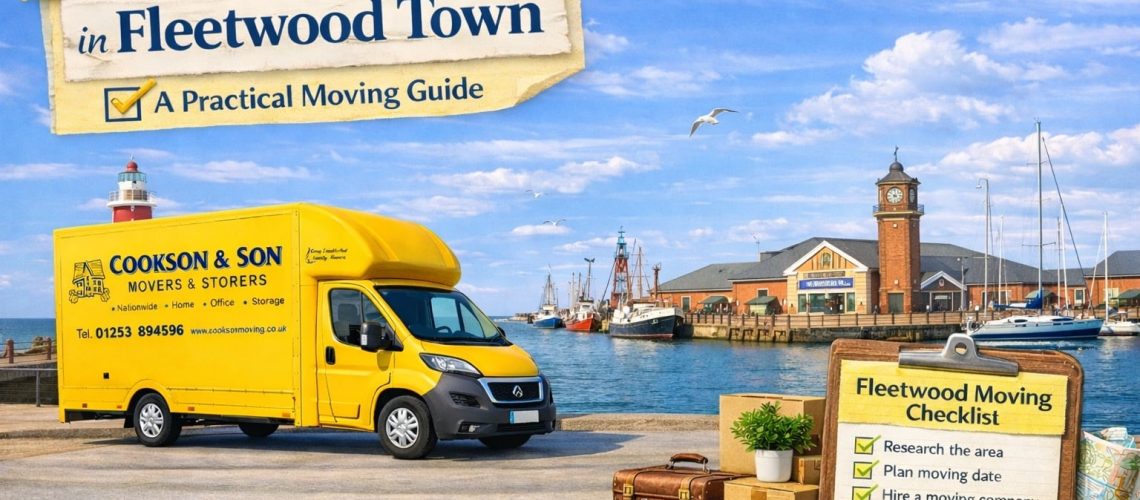
Local Area Guide + Checklist in Fleetwood: A Practical Moving Guide
Overview
Moving house is mostly logistics: access, timing, packing and a clear plan for what happens first when you arrive. This guide focuses on practical steps to reduce delays and protect your belongings, with notes useful for moving in and around Fleetwood. Terraced streets and coastal weather can both influence how you pack and stage items.
We’ll cover planning, packing, moving-day flow and what to do after you arrive — in a way you can actually apply.
For local pricing and availability, see fleetwood removals.
Local access and planning
Start with an ‘access check’ at both properties. Confirm where the vehicle can stop legally, the carry distance to the door, and whether there are tight stair turns, shared hallways, or limited parking. These details usually decide how smooth the day feels.
If access is tight, reduce effort by staging boxes near the exit the night before. It makes early loading quicker and avoids squeezing past stacks of boxes.
A realistic timeline
Four weeks out, confirm dates and identify awkward items (large wardrobes, sofas, appliances). Two weeks out, pack non-essentials and label by room. The final week is for finishing most packing, defrosting the freezer, dismantling furniture (or setting it aside), and preparing essentials.
Aim to have around 80% packed two days before moving day. Then the final 20% is manageable rather than a midnight panic.
Local access, parking and the essentials people forget
Access and loading space
The smoothest moves are usually the ones with the shortest carry distance. Before moving day, look at where a removal vehicle can stop legally, how far the route is to the door, and whether there are tight turns or steps that slow down bulky items. If the street is narrow, a quick conversation with neighbours can help you keep access clear and avoid awkward last-minute carrying. The best results come from doing this early rather than trying to fix it on the day.
Packing that speeds up unloading
Pack by room and label for both destination and priority. A label should say the room and whether it’s needed early. Keep fixings in a bag taped to the furniture item, and take quick photos of cable setups before you disconnect. These small habits reduce rework and make the first evening feel organised instead of chaotic. The best results come from doing this early rather than trying to fix it on the day.
Essentials kit for day one
Keep a small kit with you rather than in the van: chargers, medication, kettle and mugs, loo roll, bin bags, basic tools, snacks and water. If you’ve got kids, add wipes and bedtime essentials. If you’ve got pets, include food and leads. This kit is the difference between settling in quickly and rummaging through boxes late at night. The best results come from doing this early rather than trying to fix it on the day.
A simple timeline to follow
Four weeks out, confirm dates and identify awkward items that may need dismantling. Two weeks out, pack non-essentials and label clearly. In the final week, finish most packing, defrost the freezer, and prepare the essentials kit. Aim to be ‘ready to load’ the night before, not still sorting on the morning. The best results come from doing this early rather than trying to fix it on the day.
Mistakes that create delays
Most delays are predictable: underestimating volume, oversized boxes that are too heavy, not planning access and parking, and leaving dismantling to the last hour. Another common issue is mixing rooms within boxes, which slows unloading and creates extra lifting later. Fix these early and moving day becomes far more straightforward. The best results come from doing this early rather than trying to fix it on the day.
If you need a bit more support, explore professional moving service in fleetwood and plan the move around access, timing and safe packing.
Room-by-room packing plan
Pack one room at a time and label for destination and priority. Start with non-essentials, then finish daily-use areas last.
Furniture and appliances
Large items slow moves down because they’re awkward. Measure tight points such as stair turns, doorway widths, and landing space. If something is borderline, plan dismantling early rather than on the day. Keep screws and fittings in a labelled bag taped to the item.
Moving-day run sheet
Start with a walkthrough, confirm what stays and what goes, and identify any items needing extra care. Keep walkways clear.
- Walkthrough + confirm access/parking
- Protect floors/door frames and clear the route
- Load large furniture first, then sturdy boxes, then fragile items
- Final sweep: cupboards, loft, sheds, garden
- Meter photos + keys handover
After the move: the first week
Make the home functional first: beds, bathroom basics and kitchen essentials. Then update addresses and services such as council tax, DVLA, banks, insurance and deliveries.
Choosing the right help
When comparing options, prioritise clear planning: access questions, protection, and what’s included — not just price.
Quick checklist
- Clear walkways and protect tight corners
- Set aside an essentials kit (chargers, medication, kettle, loo roll)
- Label boxes by room + priority (open first / later)
- Bag and tape fixings to the furniture they belong to
- Take meter photos and do a final sweep of cupboards/loft
Keep communication simple on the day: one point of contact, clear access instructions, and quick decisions if questions come up.
FAQs
Do you cover homes in and around Fleetwood?
Yes — we cover the local area and surrounding villages. Share your start and finish postcodes and we’ll confirm availability and travel time.
How is the cost worked out for a move in Fleetwood?
Pricing typically depends on volume, access (stairs/parking), distance, and whether you need packing or dismantling. A quick inventory helps us quote accurately.
Do I need to arrange parking or a loading space?
If the street is tight or has restricted bays, it’s worth planning a legal spot close to the door. Shorter carries save time and reduce risk.
How far in advance should I start packing?
Start with non-essentials a couple of weeks ahead. Aim to be mostly packed two days before moving day so the last items are manageable.
How can I make unpacking faster in the new home?
Label by room and priority, keep bedding and kettle items together, and unload key rooms first. It prevents boxes being moved twice.
Ready to book?
Get your dates, access notes, and a rough inventory together, then request a quote. Clear details upfront lead to a smoother moving day.